
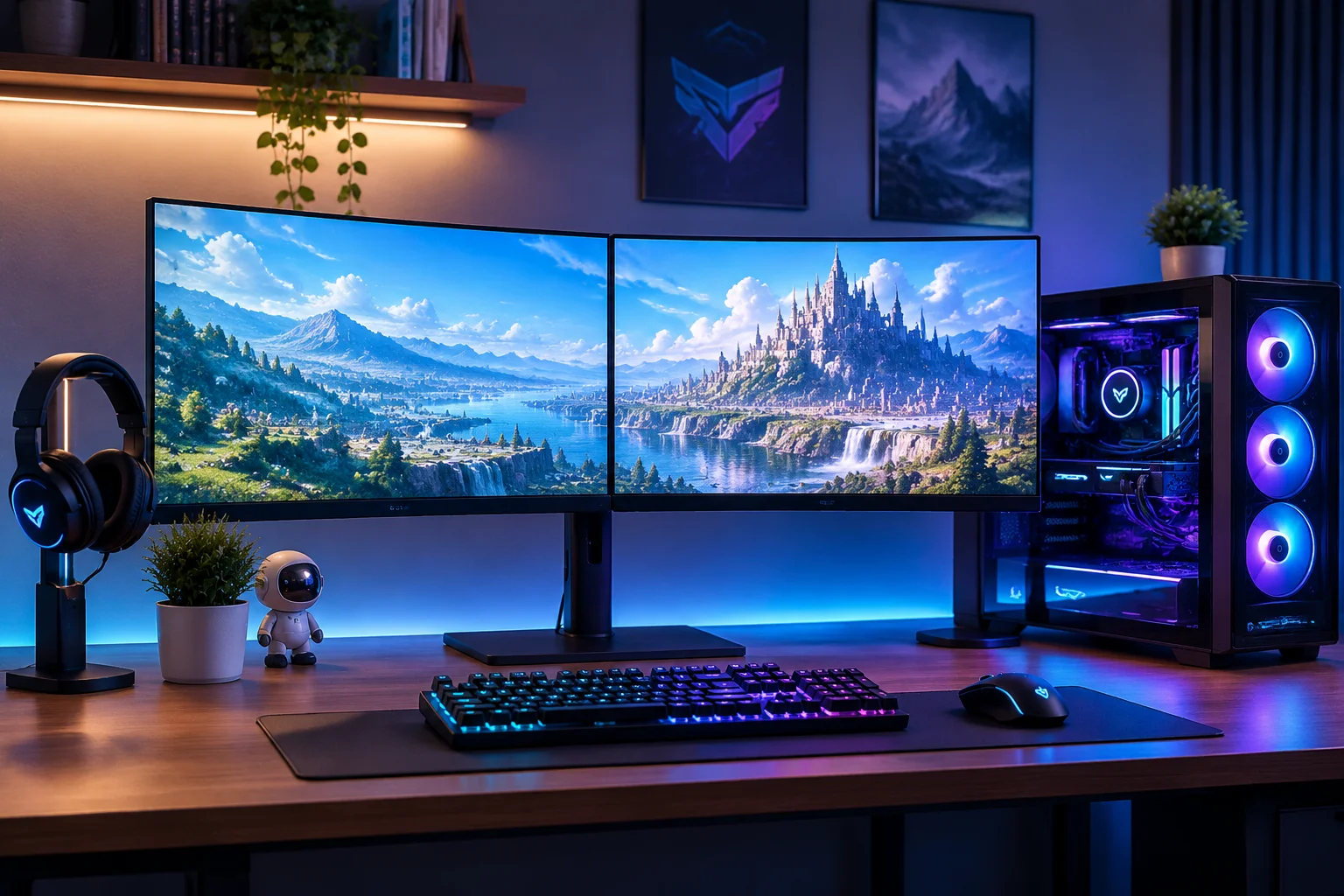
Computers remain the premier playground for deep, complex interactive experiences and powerful productivity tools. At 104 Bellevue Ave, our digital studio spends every working hour writing code, drawing sprites, and structuring databases to ship software that runs smoothly on desktop machines.
Independent creators and major international publishers turn to this address when their projects need a steady hand in the engine room. Software engineering for personal computers is rarely straightforward, demanding careful attention to memory management, input latency, and display resolutions.
The Reality of Modern Game Development
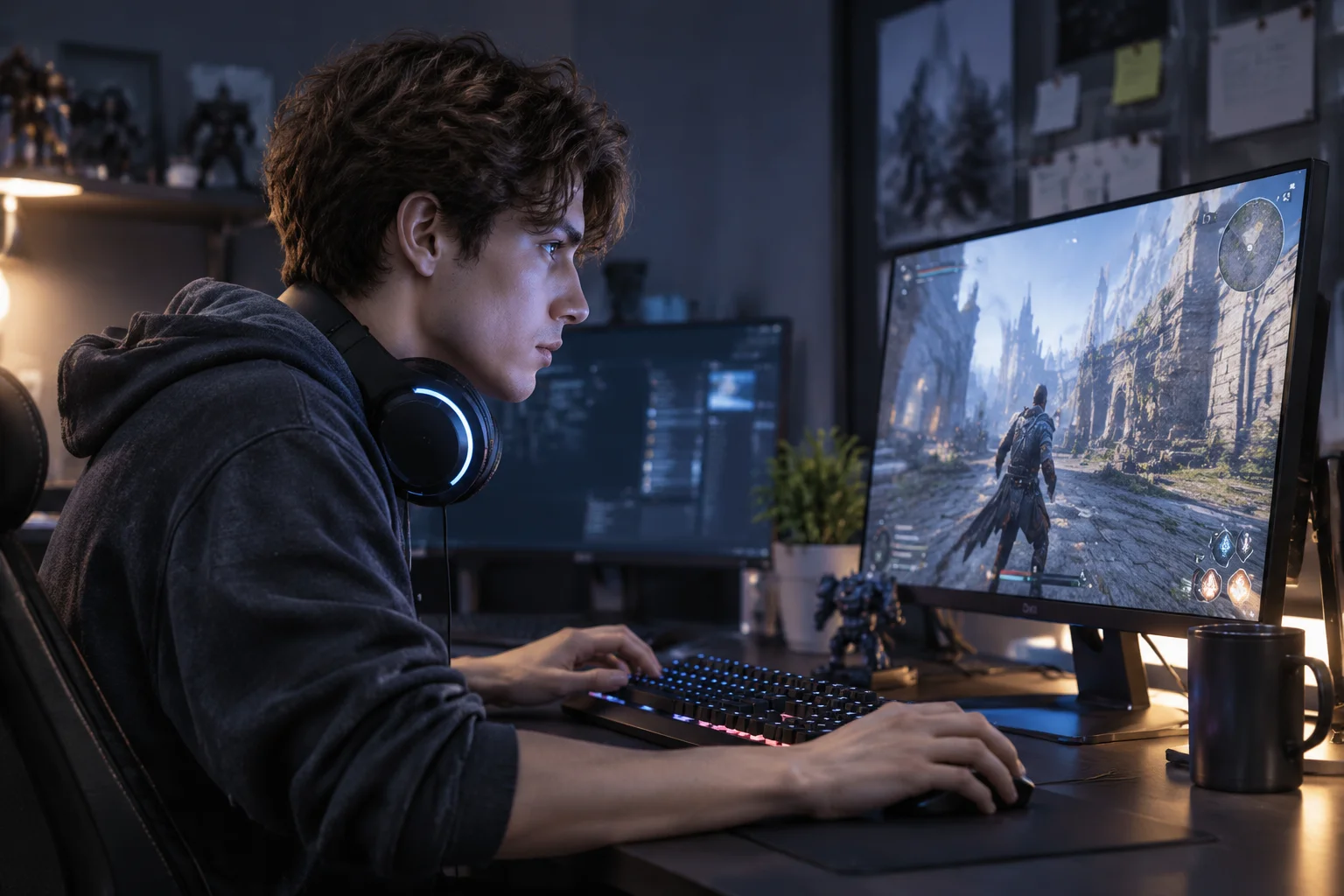
Building a video game for personal computers means confronting a dizzying array of hardware configurations. A player might load up the executable on a high-end machine with liquid cooling and multiple monitors, or on an older laptop that struggles to maintain steady frame rates. Code must adapt gracefully to these shifting environments without crashing to the desktop.
Optimization is not a phase that happens right before release; it is a mindset woven into every function and class library from day one. Developers at the studio profile memory usage constantly, trimming stray allocations and keeping the render thread fed with data. Ignoring these low-level details leads to stuttering movement and frustrated players who leave harsh reviews online.
Crafting Reliable Desktop Applications
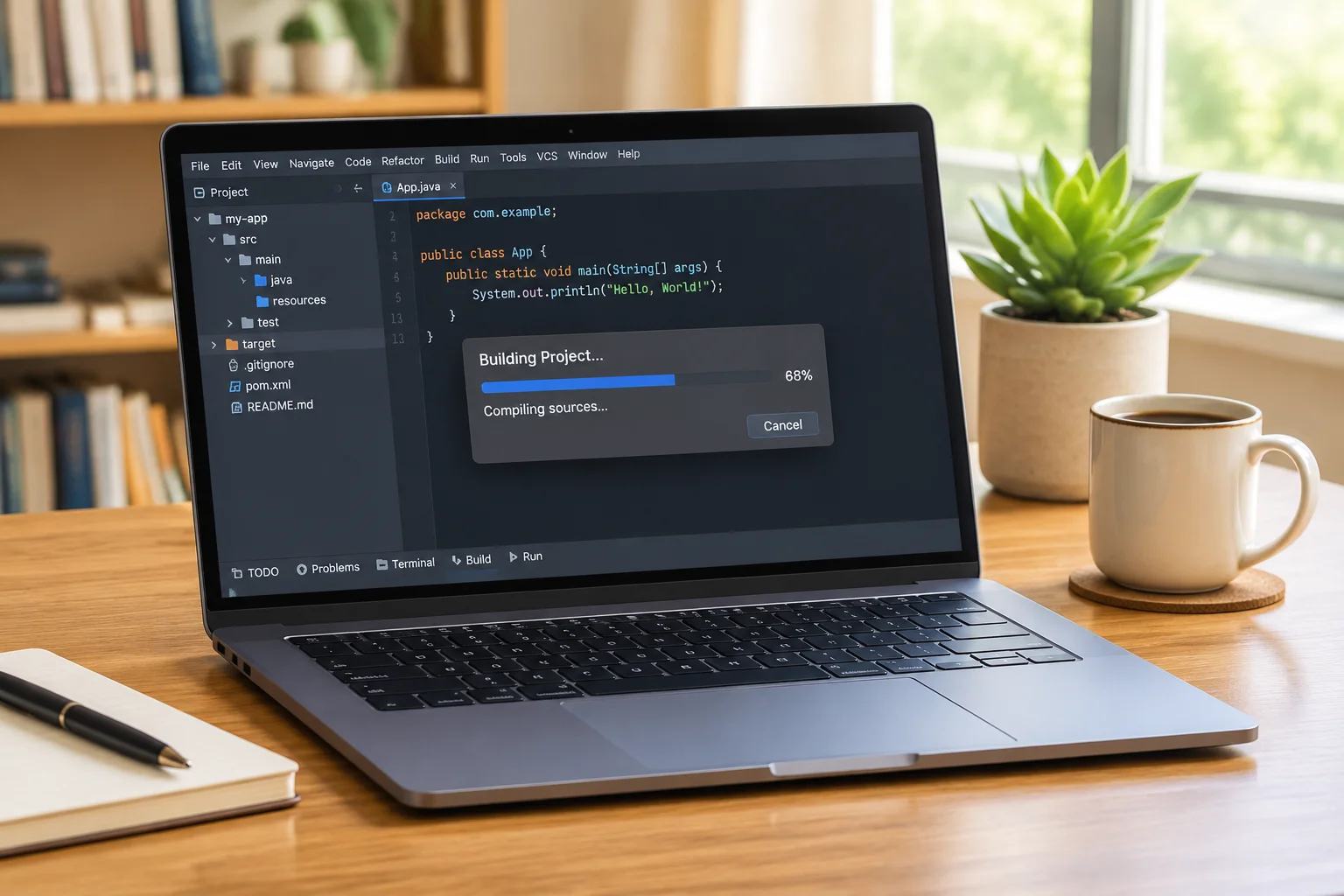
Beyond entertainment, computers are tools for getting real work done. Desktop applications require a different kind of discipline than games, prioritizing data integrity, keyboard shortcuts, and uncluttered interfaces over visual spectacle. Users expect their utilities to open instantly and never lose their place if the power drops.
Building such software means stripping away unnecessary animations and focusing squarely on the task at hand. Take a close look at any successful utility on your hard drive, and you will find predictable menus, fast search algorithms, and zero bloatware slowing down your system tray.
- Writing modular code that separates the user interface from the underlying business logic.
- Testing installation packages across clean virtual machines to catch missing system libraries.
- Implementing robust crash recovery routines that save user data before shutting down.
- Keeping executable file sizes lean by pruning unused third-party dependencies and assets.
- Designing intuitive keyboard navigation for power users who hate reaching for the mouse.
- Profiling CPU threads to ensure background syncing never freezes the main window.
Partnering with Global Publishers
No software studio exists in a vacuum. Bringing a complex computer game to market requires coordinated efforts across marketing departments, localization agencies, and digital storefront curators. Navigating this web of requirements can easily overwhelm a small development team.
Publishing partners provide the financial runway and logistical muscle needed to reach global audiences in multiple languages. Clear communication channels between the programmers writing the core loops and the business teams managing the store pages prevent misunderstandings before they delay a launch date.
The Tech Stack Behind the Screen
Choosing the right programming language and framework dictates how fast a product comes together and how easily it can be maintained years down the line. C++ and Rust dominate the performance-critical layers of our projects, while higher-level scripting handles quest logic and interface transitions.
Relying on bloated frameworks often introduces hidden bugs that are nearly impossible to trace. Keeping the toolchain lean ensures that when something breaks in production, an engineer can dive straight into the stack trace and fix the root cause in minutes rather than days.
Every button clicked, every texture loaded, and every sound effect triggered contributes to the overall weight of the software. Balancing these elements into a cohesive whole is what turns a collection of raw files into a memorable computer experience.
As display technologies evolve and hardware capabilities expand, the studio continues to experiment with new rendering techniques and input methods. The physical office at 104 Bellevue Ave remains a quiet space where complex technical problems meet practical, elegant solutions.







Arthur Pendelton
Lead Game Developer
Working with the team on Bellevue Ave was a breath of fresh air. They actually understand how computer hardware limits affect game performance and fixed our framerate issues in weeks.